After 13 remarkable years as CEO of The Oxford Trust, Steve Burgess is stepping down as CEO on 25th September. Here, in his own words, Steve looks back on the decisions, people and defining moments that have shaped the Trust over that time and why knowing when to say ‘stop’ can be just as important as saying ‘go’!
When I joined the Trust in September 2013, after several rounds of interviews and a thorough grilling from Sir Martin and Lady Audrey Wood, I was ready to take on the challenge that had been set for me: delivering the £40 million-plus Magnet project in central Oxford, a world class science centre with innovation spaces.
A few weeks, and many discussions later, I found myself with the unenviable task of telling the Board of Trustees that the scheme was undeliverable for several reasons that I won’t go into here. Fortunately, the Board was not surprised – although I certainly was. Despite the considerable investment already made, the difficult decision was taken to call time on the project. Knowing when to say ‘stop’ isn’t always easy but is just as important as saying ‘go’!
A new future
And so began a journey of reimagining how The Oxford Trust could deliver Martin and Audrey’s vision of ‘encouraging the pursuit of science’ in a way that stayed true to its origins. A future for the organisation that meant supporting science and tech start-ups while also building confidence, curiosity and excitement about STEM in the next generation of young people across Oxfordshire and Buckinghamshire.
Eighteen months later, one of the Trust’s real estate contacts asked whether we had seen the parcel of land for sale in Headington, hidden from public view. On a wet day in February 2015, I visited the then-named Stansfeld Outdoor Learning Centre with the agents and my now-successor, Matt Francis.
A new site in Headington
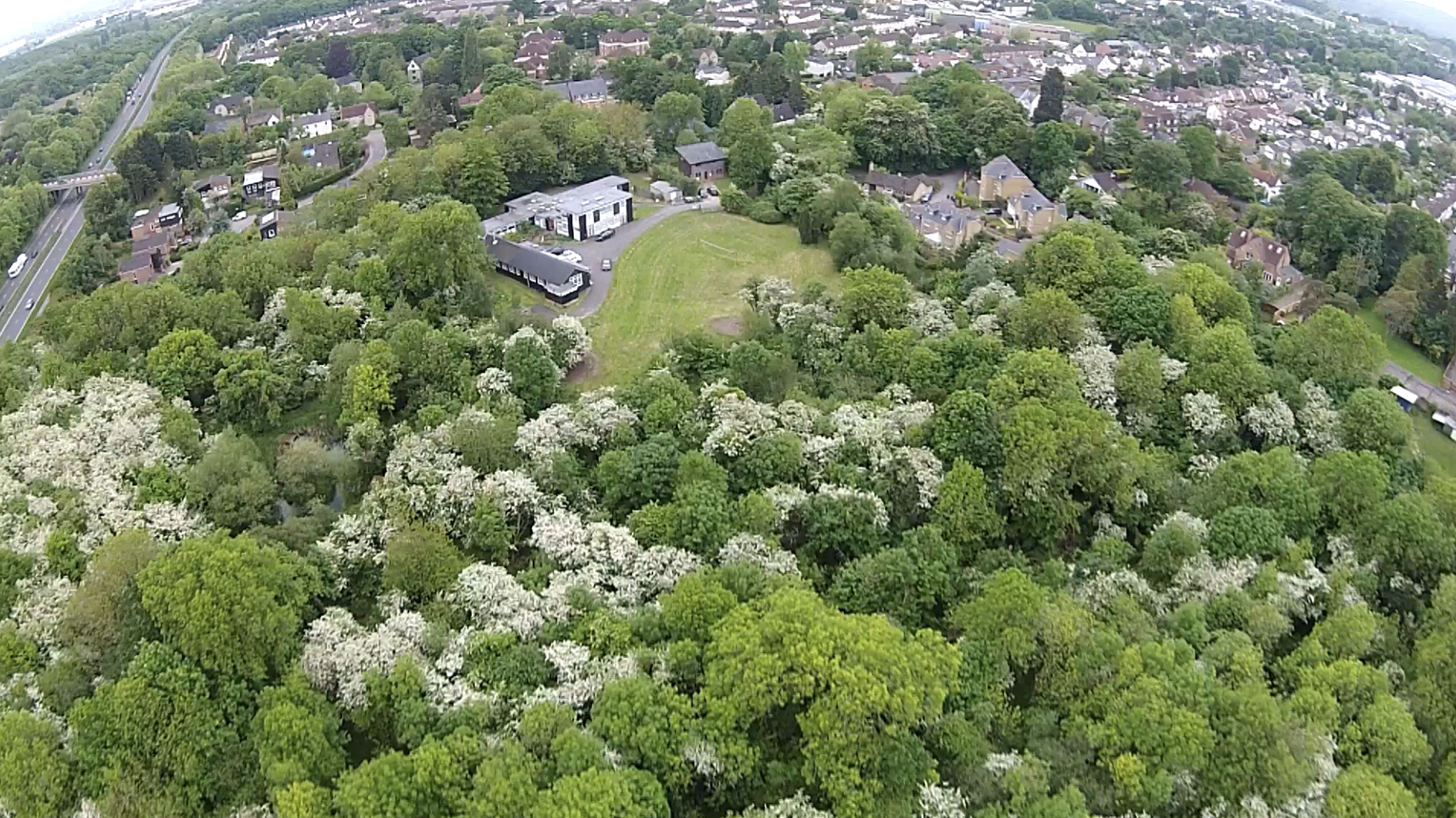
Standing on a grassy knoll overlooking the dilapidated 1960s buildings set in 18 acres of overgrown and neglected woodland and ponds, I had a light bulb moment. This was the place. It was certainly another challenge, but I felt it offered a unique opportunity to bring together the two arms of the Trust – science innovation and education, side-by-side on one site. A showcase location for the Trust and its programmes. Some people thought we were slightly mad – and they were probably right – but when Audrey and Martin came to view the site a couple of months later the vision was clear. The Trust, thanks to the generosity of our founders, and with much local support from the community and council, acquired the long leasehold and the next chapter began.
Developing the site
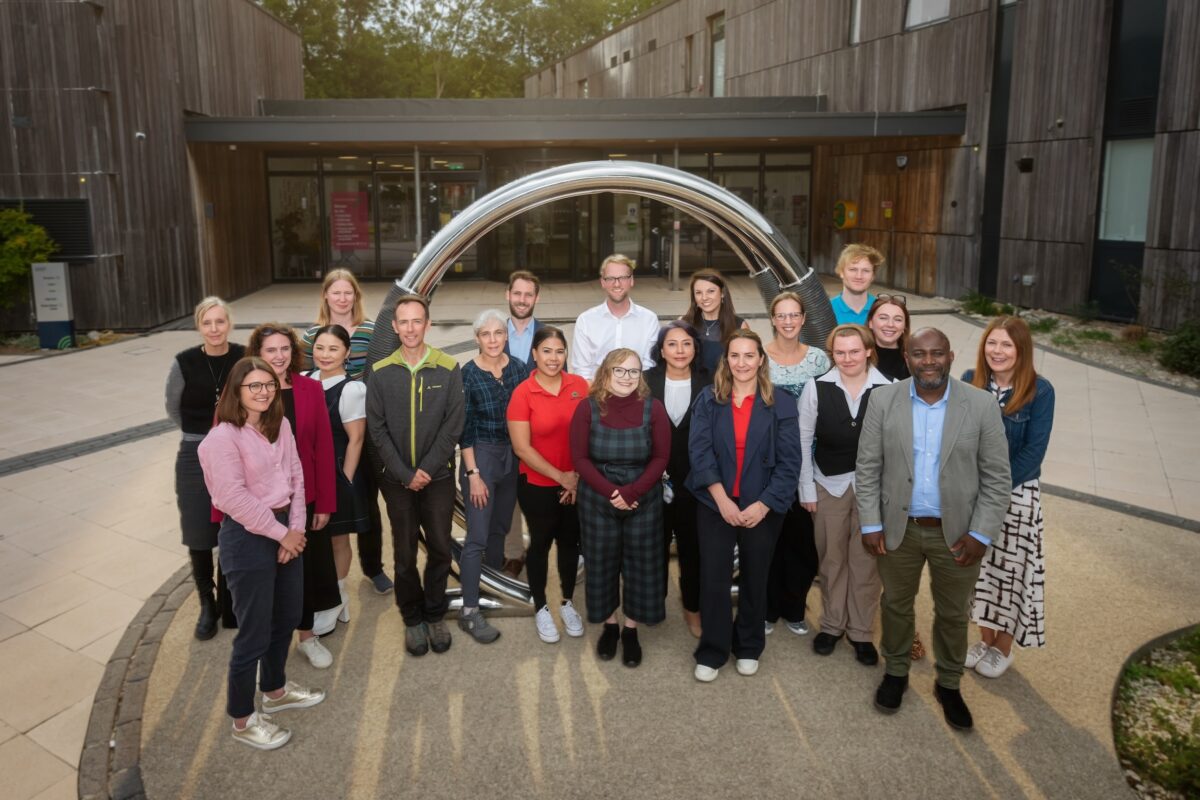
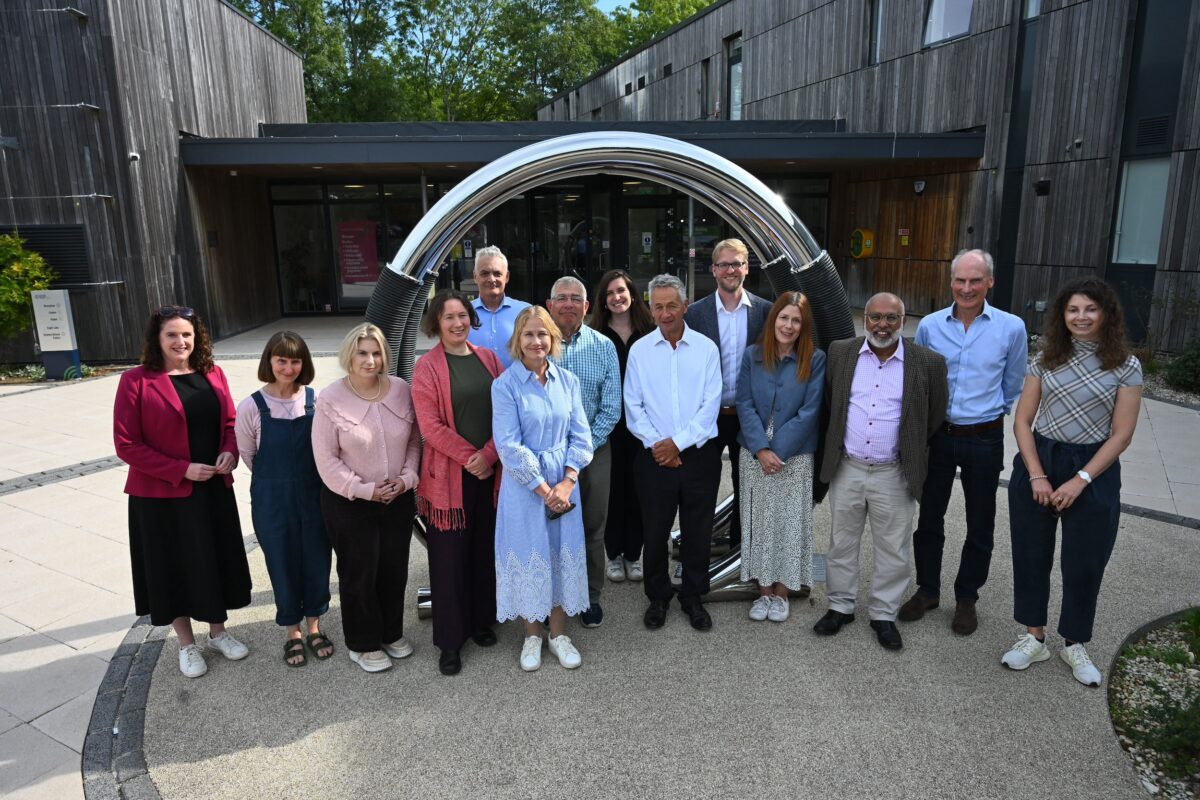
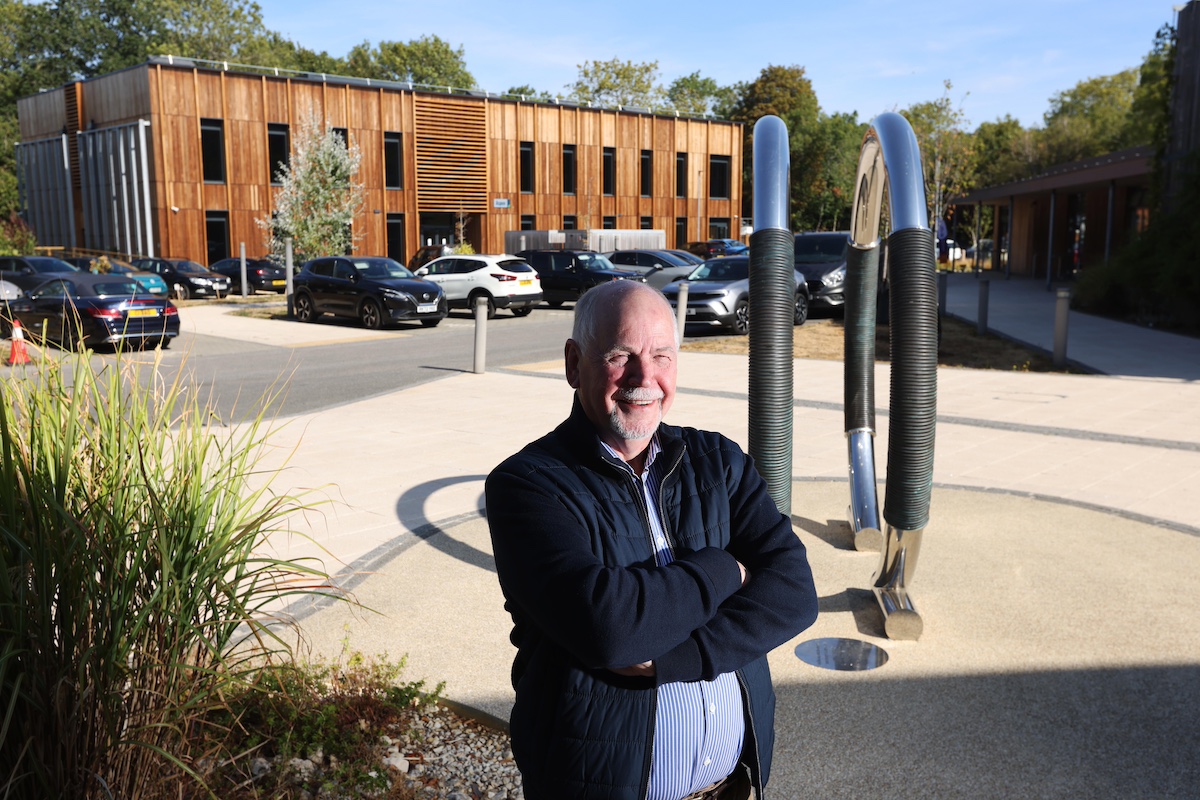
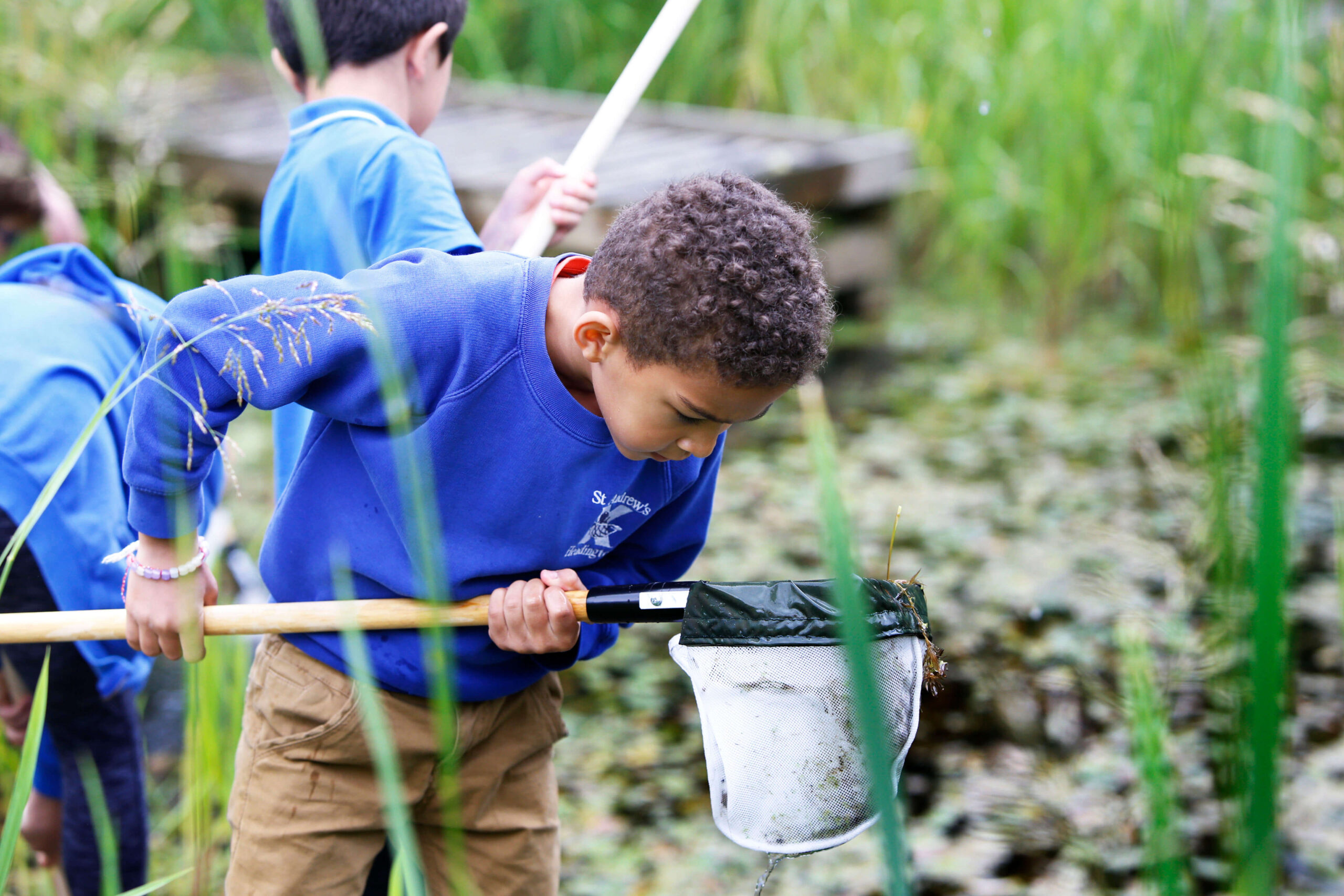
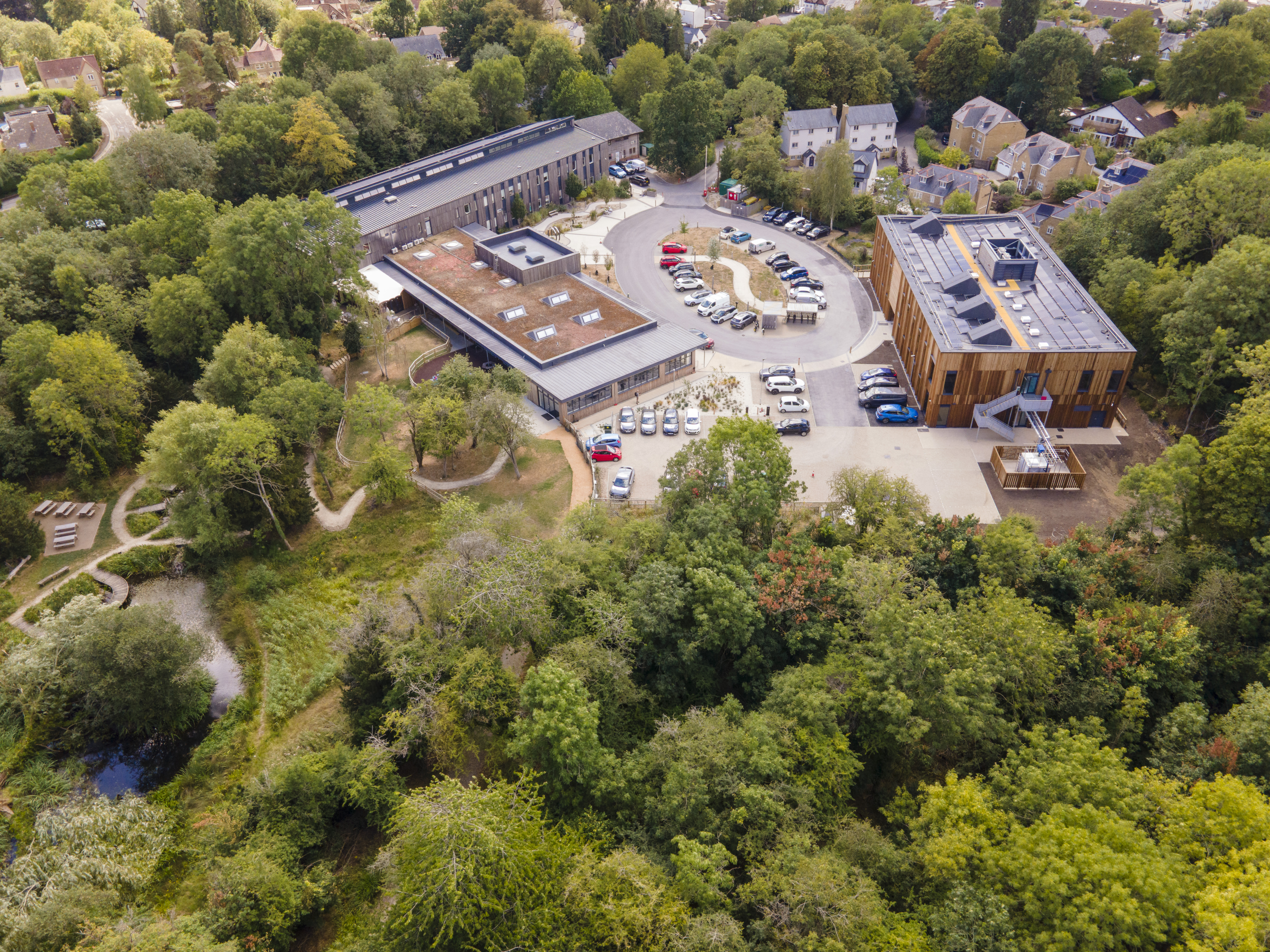
Over the next 11 years that vision became a reality. The site was transformed into the Wood Centre for Innovation: an exemplar location bringing together the Science Oxford Centre – the UK’s first hands-on indoor-outdoor science education centre – and a 20,000 sq ft innovation building (now known as the Linden Building), complete with a connecting cafe and reception space.
The development also incorporated a regenerated ‘wild space’ that schools, clients and the public could enjoy. The site opened in 2019 – just before the Covid-19 pandemic brought the country to a standstill.
Pivoting to labs
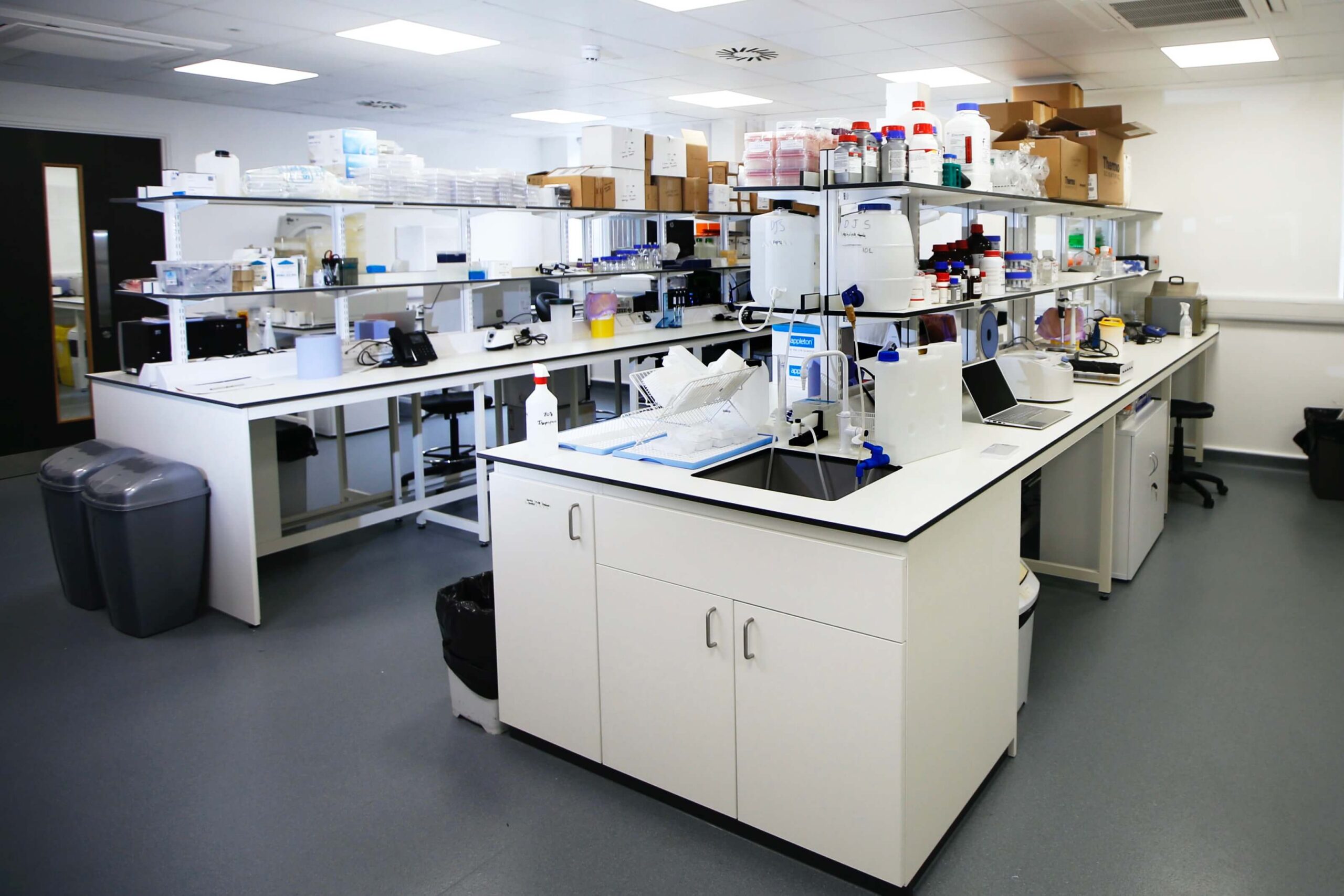
Yet even during the dark days of the pandemic, the Trust never stood still. While many organisations waited to see what would happen, we pivoted and converted the ground floor of the innovation centre from offices into bioscience-standard labs, It was a decision that proved transformative and one from which we have never looked back.
Oxford Centre for Innovation
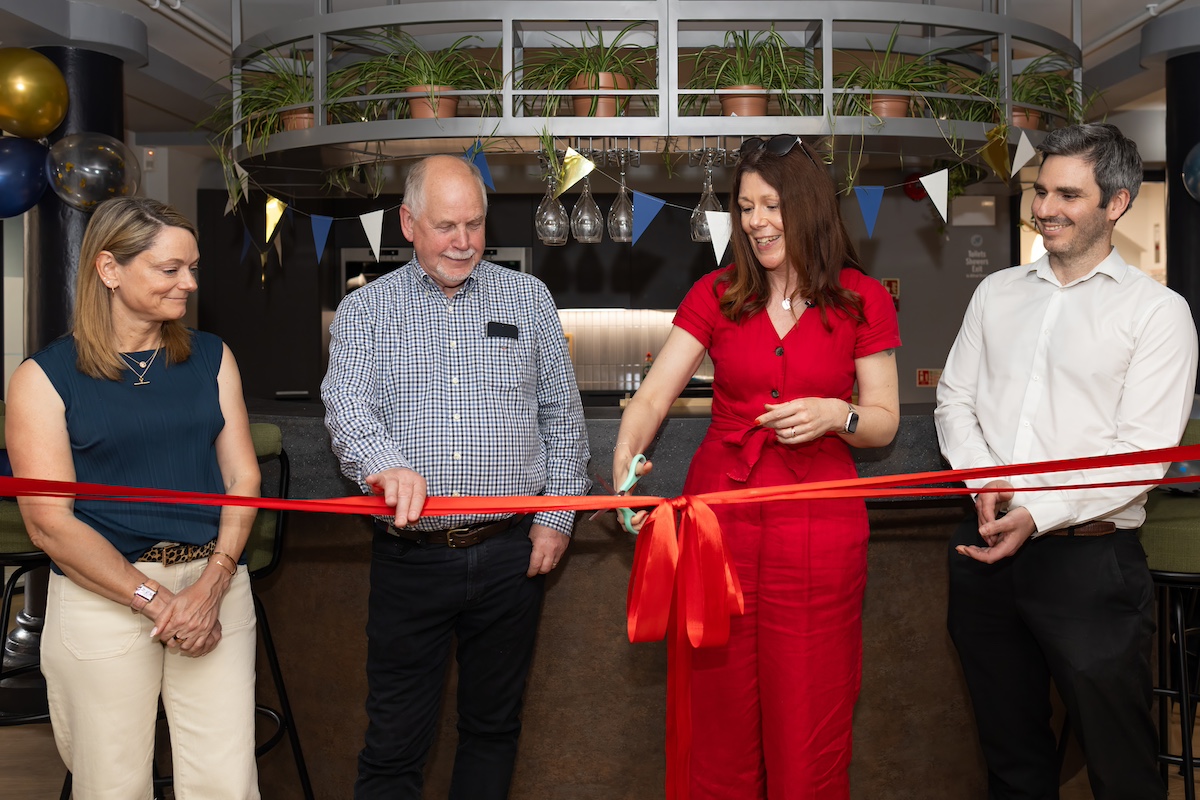
Another important milestone was the sale of Macclesfield House in Oxford city centre, marking the end of another chapter and enabling us to reinvest in the Trust’s future. The sale saw our Oxford Centre for Innovation move to its new home in Alfred Street in the city centre and officially opened in May 2025. This is the fourth such building to carry this important brand since 1985 and a fantastic building to carry this forward.
New projects
Now as I prepare to hand over the keys to Matt, we have completed phase II of the development at the Wood Centre for Innovation. The new Aspen Building has added another 17,000 sq ft of innovation centre capacity and a new home for our STEM outreach team, as well as an expanded the café and covered deck for events and meetings. We have also started work on an elevated woodland walkway from Quarry Road, which will give schools, families and clients a safer, more accessible and enjoyable route onto site, away from the traffic.
There is still much to do. This is not the end of the story, but the end of a chapter that, along with many others, I have had the pleasure of being a part of.
An independent voice
The Oxford Trust remains a crucial independent voice and actor within the innovation ecosystem. Often working behind the scenes, it helps create the conditions for success without having to worry about shareholders, venture funds, or political cycles. Those influences come and go but the Trust continues to invest, take risks and fill gaps where support is needed. This included co-funding the pivotal ‘Oxford Innovation Engine’ reports in 2013 and 2026 from which originated the Advanced Oxford organisation that the Trust co-founded and now is a central part of the innovation landscape.
The same independence underpins our work in STEM education and engagement. It means our Science Oxford team can focus on what delivers the greatest impact for children and teachers, rather than chasing short-term trends or constantly pursuing funding opportunities – useful though they are! The real strength of the Trust lies in its sustainable business model that uses the income from the innovation centres to invests in the next generation of scientists and entrepreneurs.
Time to say “stop”
Just as with projects there also come a time when it is right to say ‘stop’ and to pass the baton on to the next generation. One of the responsibilities of a CEO is to ensure a smooth transition so that the organisation can continue to thrive long into the future.
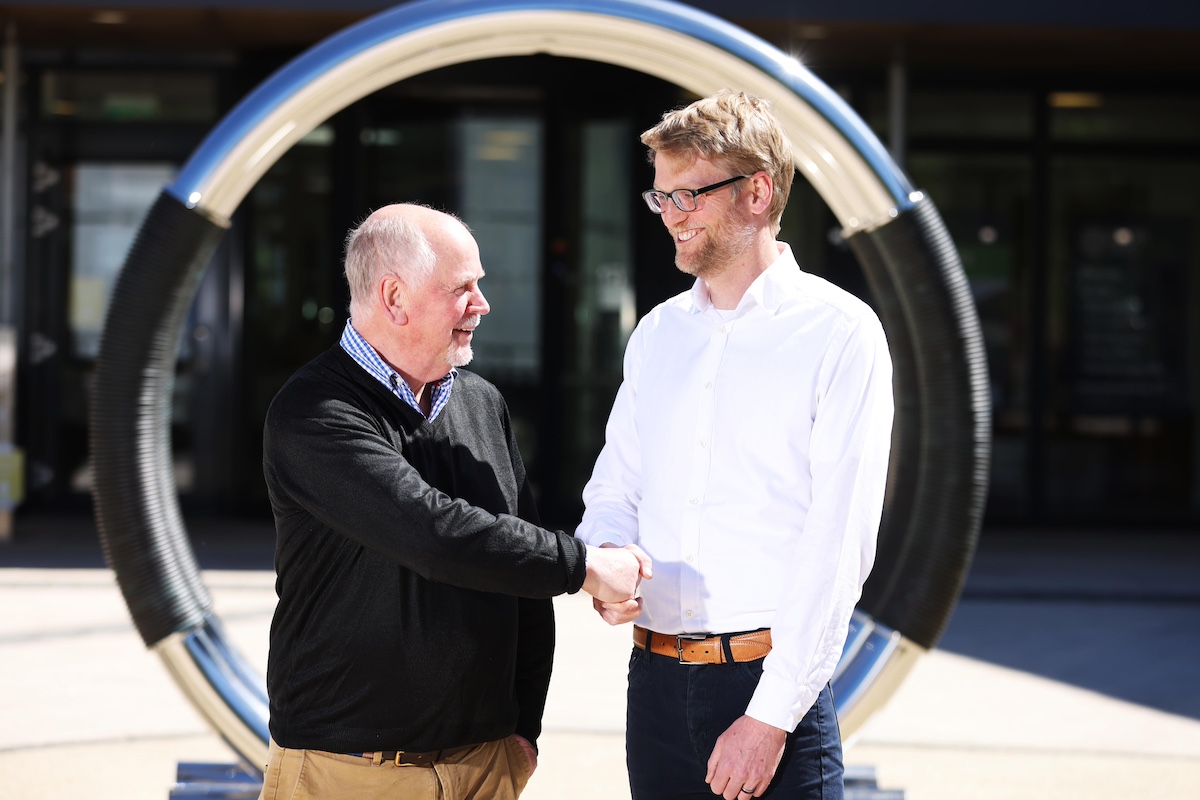
I am delighted to be handing over to Matt Francis, who knows the Trust, its people and its purpose incredibly well. Having been part of this journey for many years, he understands both what makes the Trust special and the opportunities that lie ahead. I know I am leaving it in very capable hands. But I will be watching with interest!
What am I most proud of?
Hopefully, I will look back in years to come and think, yes, this was something to be proud of. Not only for myself, but for all the trustees, supporters, partners, donors and staff that have helped along the way.
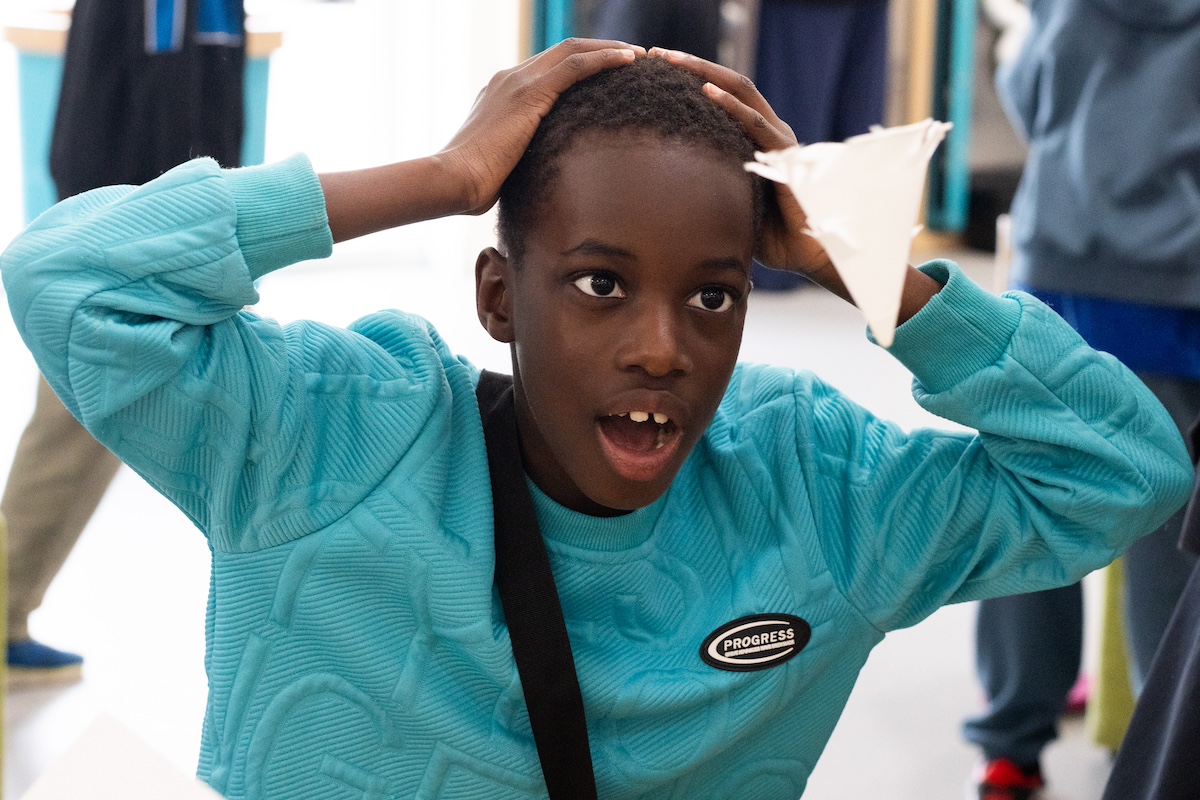
What I’m most proud of is the impact the Trust has had on people. Over the years, countless children and families have come through the doors of the Science Oxford Centre, discovering science through hands-on experiences and, I hope, leaving with a greater curiosity about the world around them and a glimpse at a possible future in a STEM career.
At the same time, we’ve seen so many ambitious science and technology businesses start out and grow within our two innovation centres. Many of those companies began with just a handful of people and have gone on to create hundreds of jobs, attract substantive investment and develop technologies that make a real difference to people and society.
That combination has always been very special to me – supporting the scientists and entrepreneurs of today while inspiring those of tomorrow. The Trust has grown and changed enormously over the past 13 years, but that purpose has remained at its heart.
I’m immensely proud of what the team has achieved and excited to see where Matt and the Trust take it next.
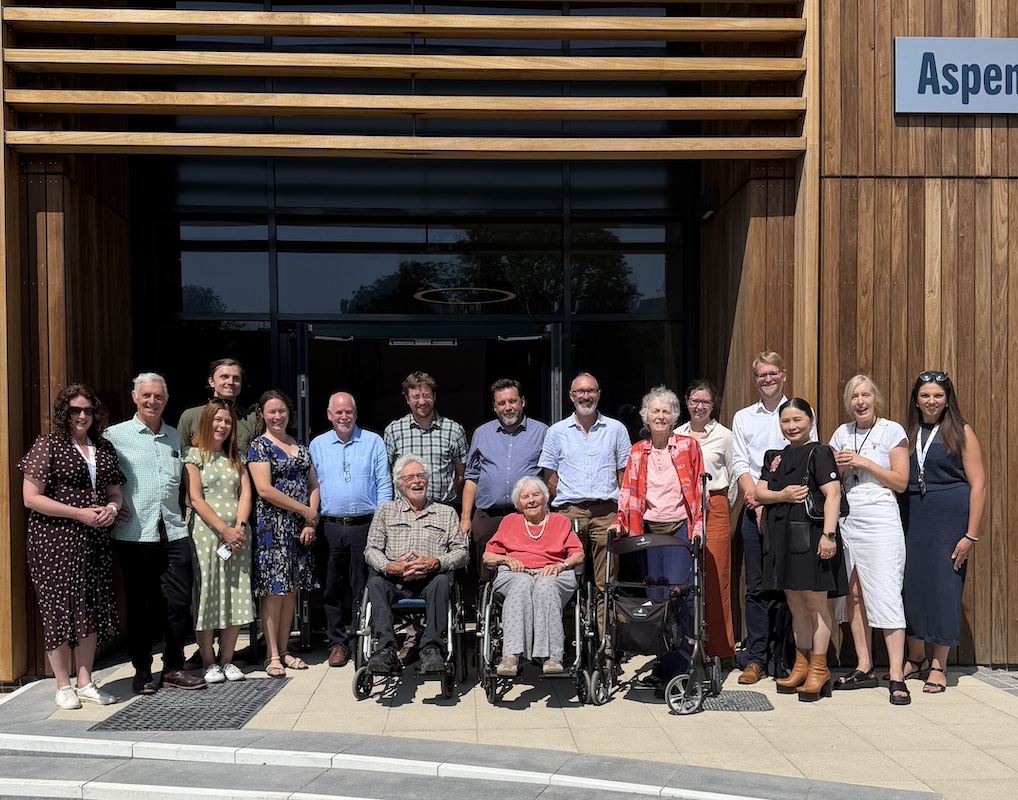
Above all, I hope what we’ve achieved over the last thirteen years honours Audrey and Martin Wood and their enduring legacy: the commitment to the mission “to encourage the pursuit of science” that they established over 40 years ago.
Retirement is very likely to be in name only so check in on LinkedIn and see what’s next in my own ‘incredible journey’ from lab technician to commercial board positions in Europe and North America then the fantastic Oxford Trust.
Thank you.
Steve Burgess